
Case Studies
How BoreJet nozzles solve real industrial duties, sized to the vessel, not guessed from a catalogue.
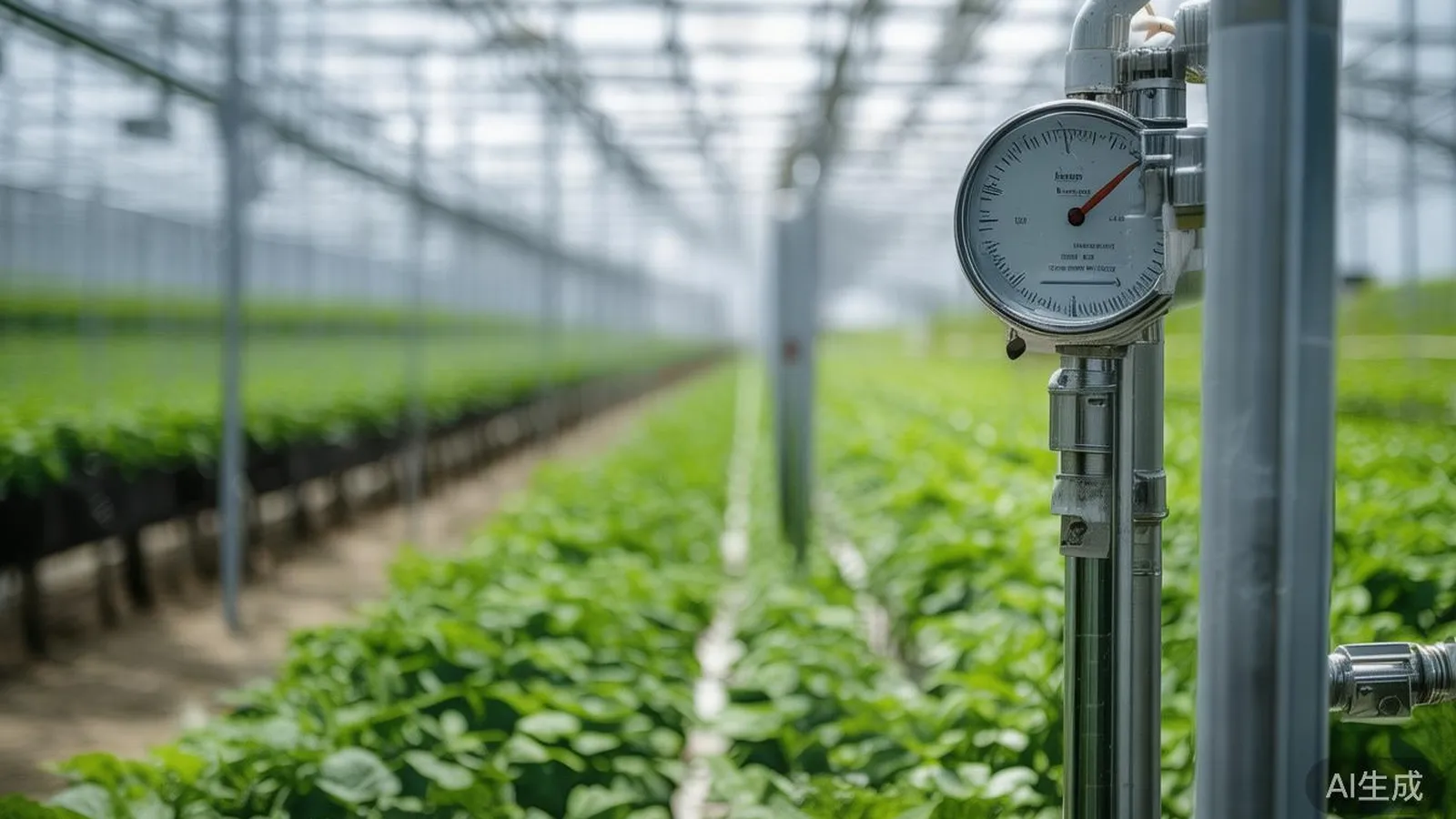
Case Study: A Greenhouse Fertigation Injector Retrofit
A 1.2 ha multi-span greenhouse replaced a weekly eye-mixed stock drum with a metering pump stroked by a flow-meter pulse. The required stock rate came to 8.0 L/h and 9.6 L/day against a 67.2 L weekly need, past the 60 L the old drum held. Every figure is the generic shape of this class of fertilizer injector for irrigation system retrofit, not a named plant record.
Oct 12, 2026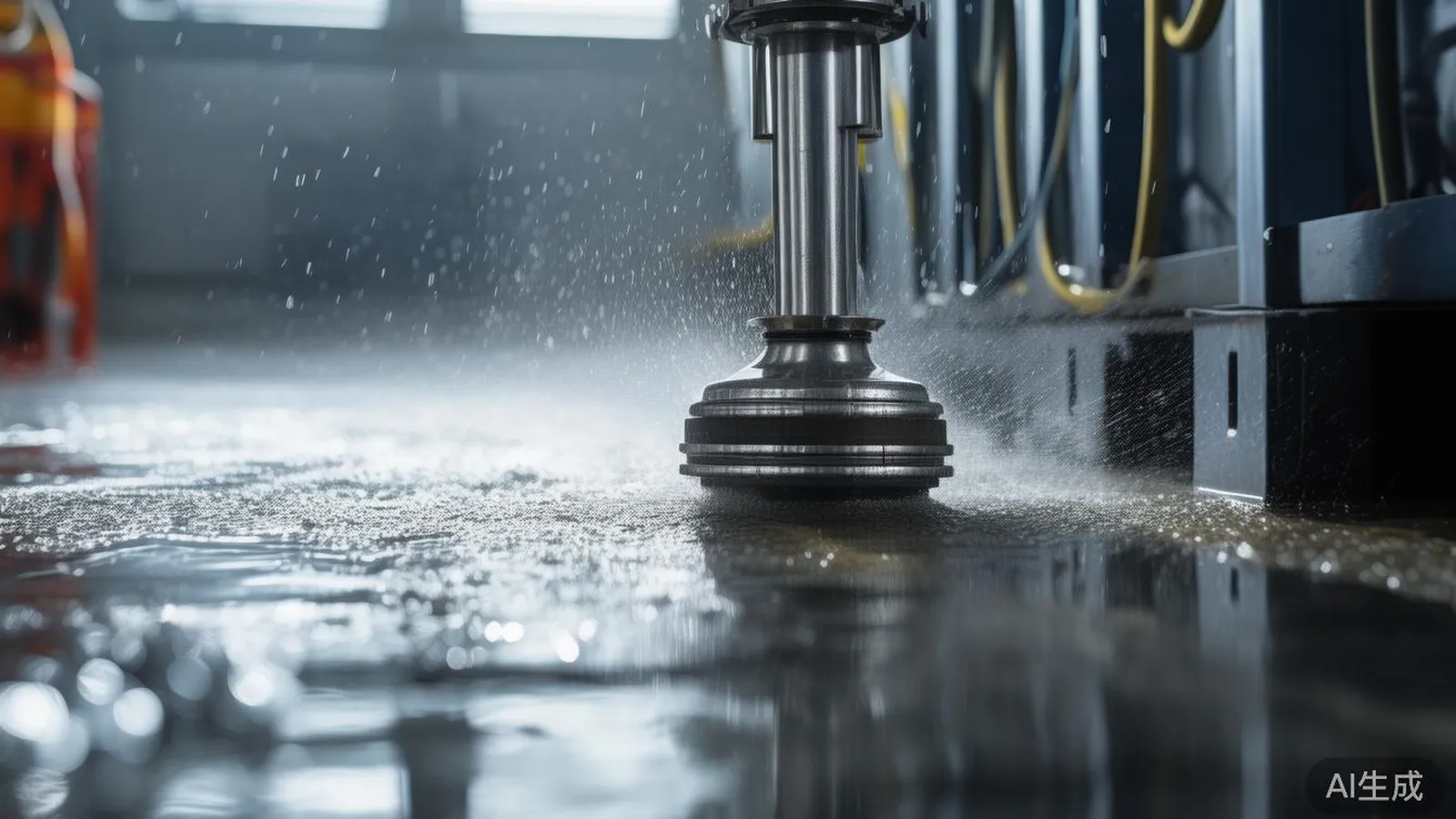
Case Study: ISO Tank Container Rotary Jet Retrofit for Product-Switch Cleaning
A tank container depot retrofitted two rotary jet heads in an enclosed wash bay for product-switch cleaning of 20 ft frame tank containers carrying 17,500 to 26,000 litres. Fresh water per unit fell from 4.5 to 1.8 cubic metres and cycle time from 96 to 24 minutes, lifting the bay from 10 to 40 units a day. Every figure is the generic shape of this class of iso tank cleaning equipment, not a plant record.
Oct 11, 2026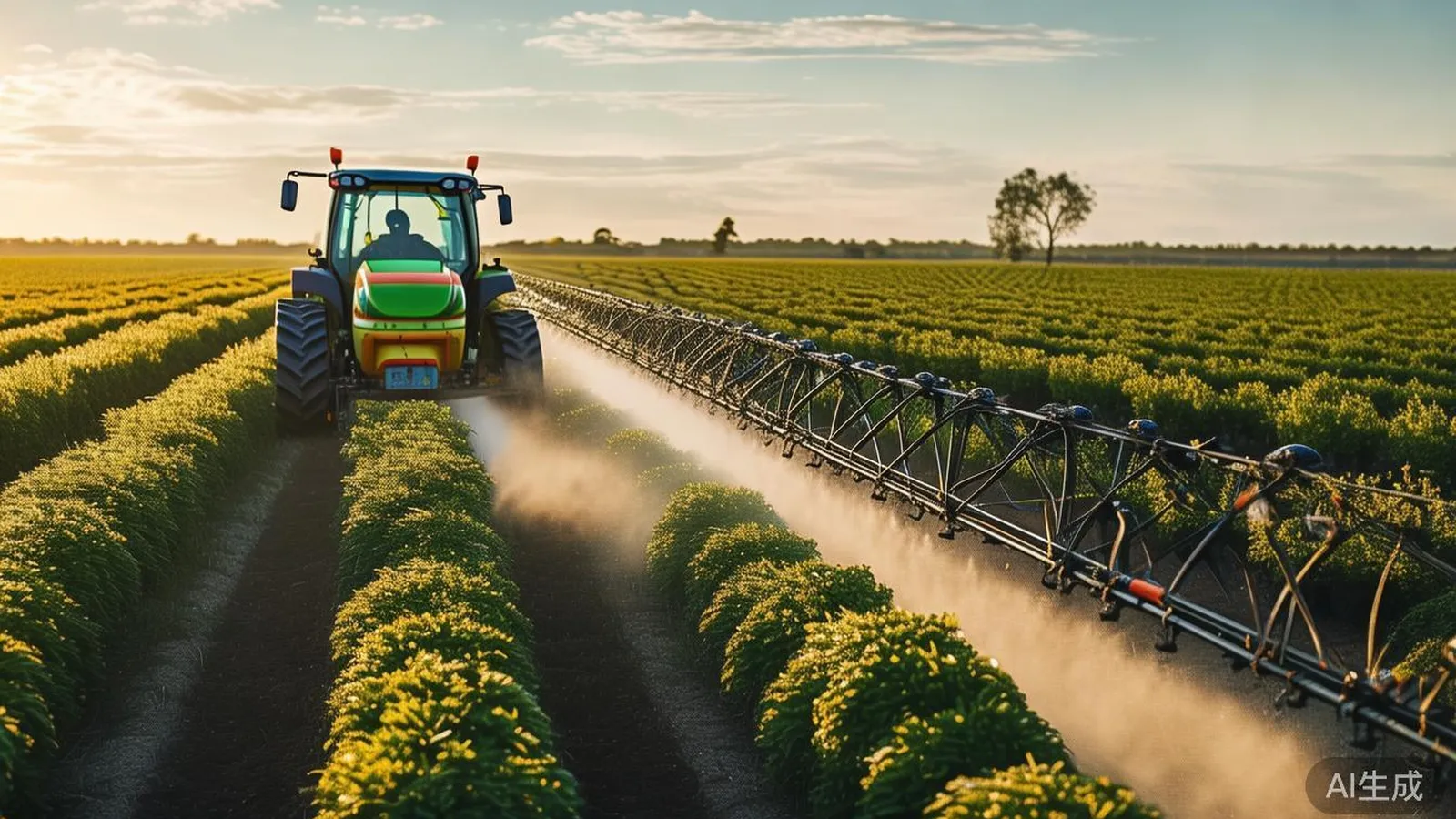
Case Study: Fixing a Spray Rig That Could Not Hold Its Boom Flow
A 90 ha bare root nursery in the US Pacific Northwest ran a contract spray rig whose 12 V pump delivered 20 L/min while a 12 m boom at 24 tips demanded 38.4 L/min at 3 bar. A capacity and control upgrade restored the boom figure, cut tank burn from 20 minutes to 10.4 per fill, and returned every tip to rated flow within a published tolerance.
Oct 10, 2026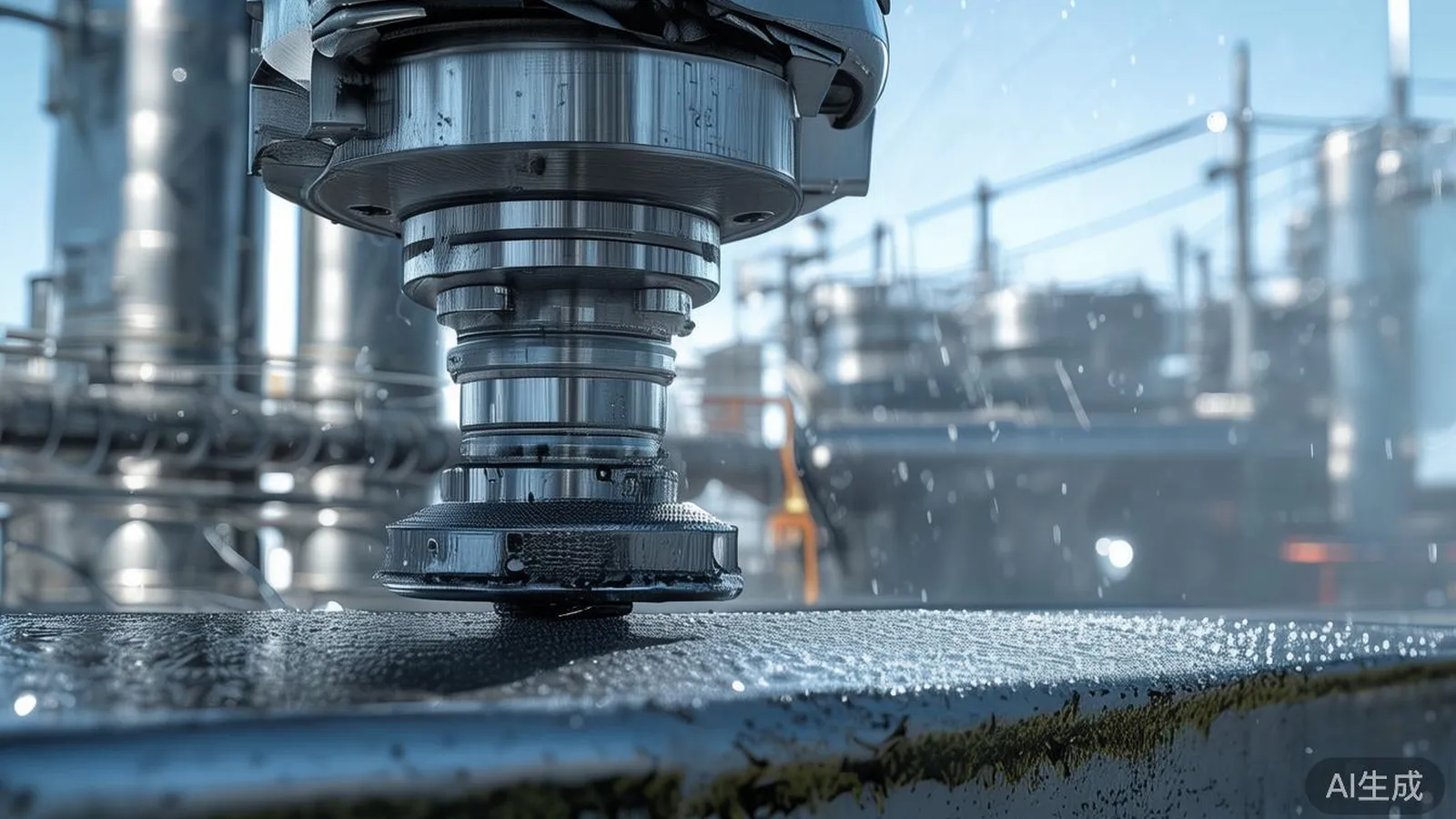
Case Study: Inlet Fogging Retrofit for a Coastal Peaking Plant
Two frame-class peaking units stuck near 80 percent approach on media evaporative coolers moved to high-pressure inlet fogging at about 138 bar. A manifold, RO skid and 5 to 20 micron filtration recovered a slice of the published hot-inlet derate inside the documented humid-climate band.
Oct 9, 2026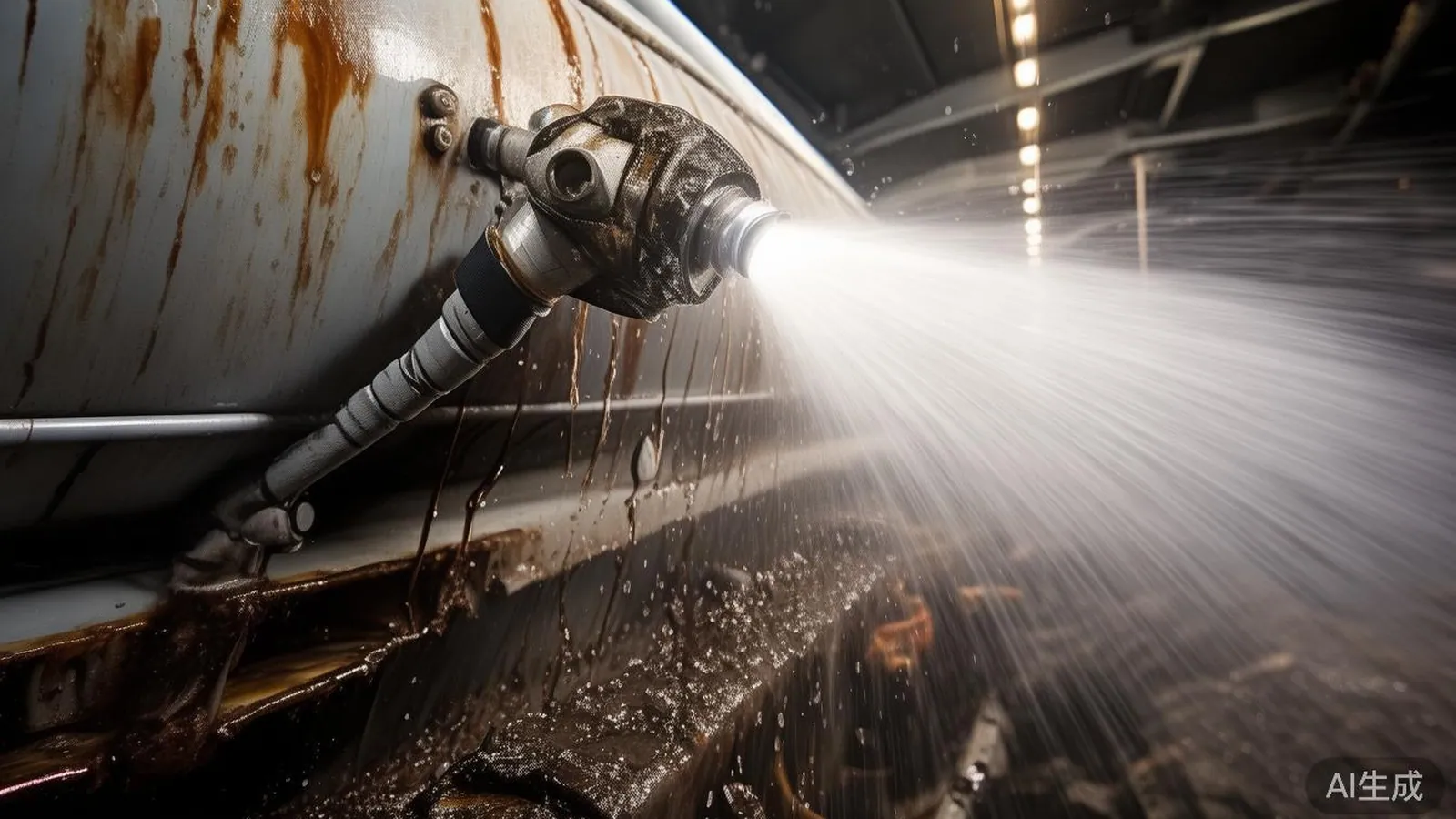
Case Study: Cutting Crude Oil Railcar Cleaning Time and Reject Rate
A regional North American tank car cleaning operator replaced a hand lance with one rotary jet head on a timed recirculating wash skid. Wash time per 30,000 US gal crude car fell from about 195 minutes to about 75, water per car from roughly 21,000 L to 10,500 L, and the interior re-clean rate from about 22 percent to under 3 percent.
Oct 7, 2026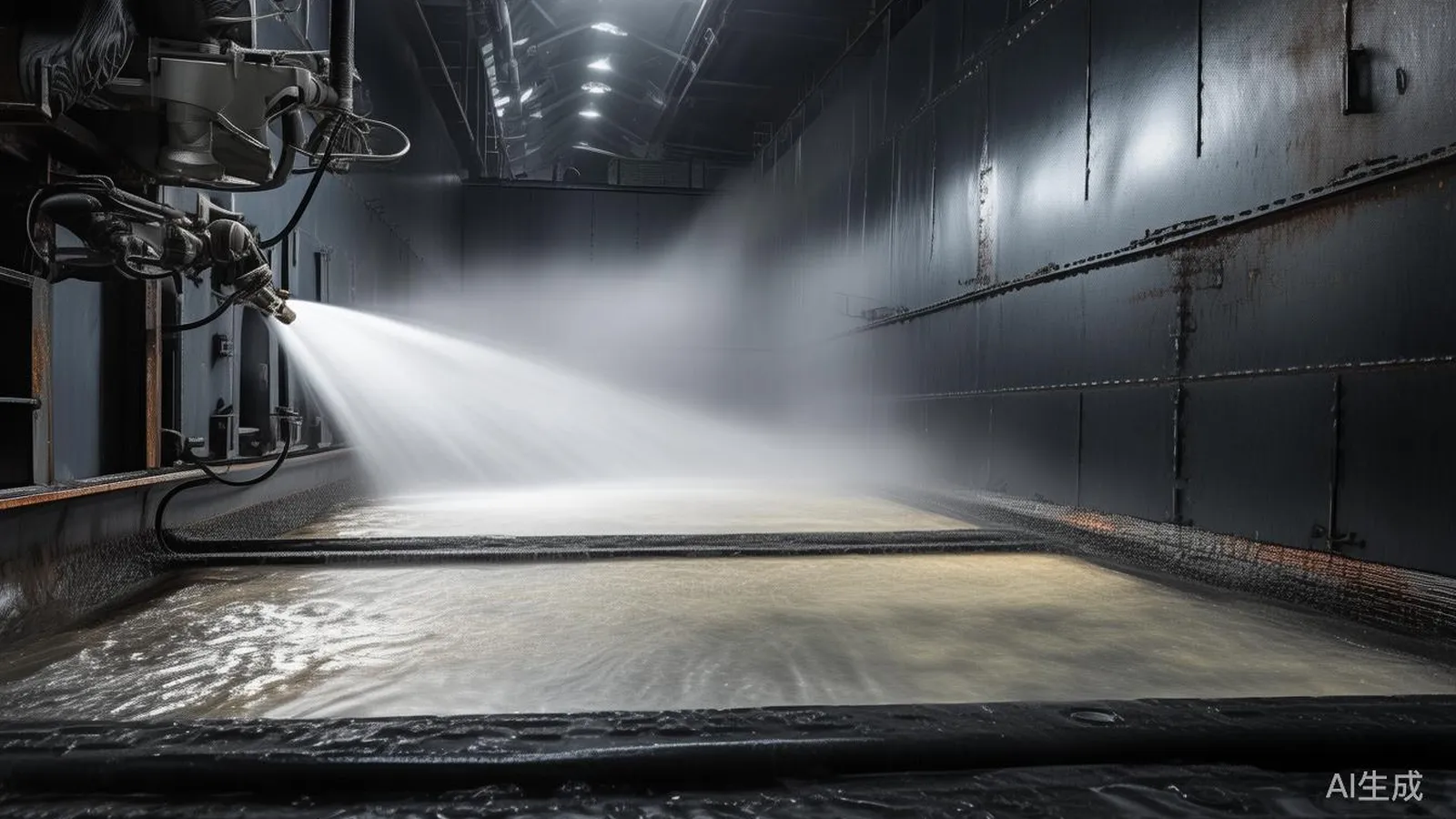
Rotary Jet Head Cleaning of Marine Cargo and Slop Tanks
A composite marine case study: rotary jet head coverage inside cargo and slop tanks, multi-tank wash cycles, water reclaim of 58 percent, and the gas free evidence a class surveyor accepts.
Oct 5, 2026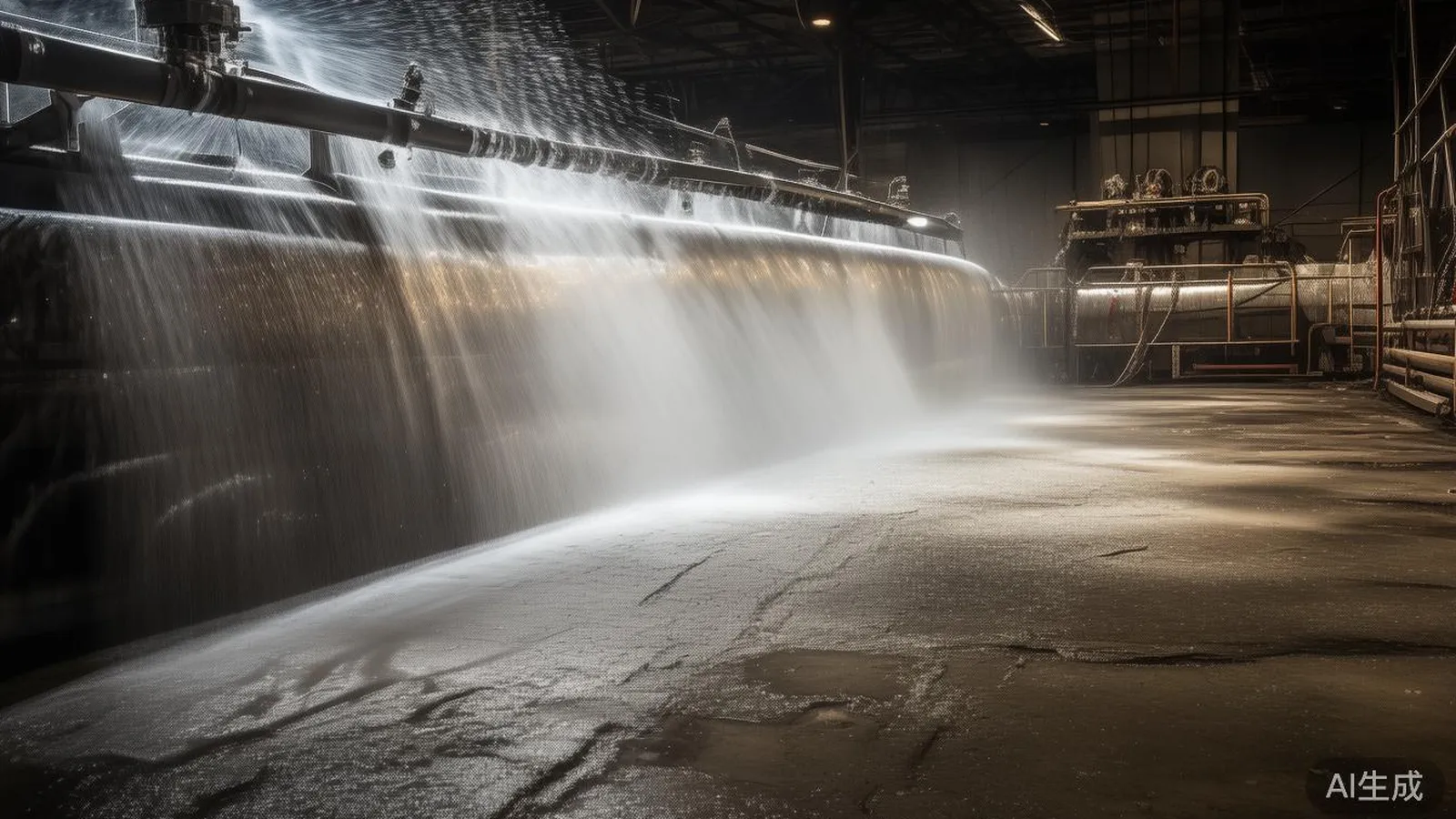
Case Study: Frac Tank Rotary Jet Wash Bay for Returning Tanks and Flowback Totes
A North American pressure-pumping and well-servicing operator built a wash bay for returning frac tanks and flowback containment totes carrying viscous proppant gel and sour flowback residue. Two rotary jet heads at 300 L/min and 6 bar, a hot 60 to 70 C rinse, and a three-stage counterflow recovery loop moved fresh water from about 4.5 to 1.5 cubic meters per tank and wash time from 150 to 67 minutes. Every figure is the generic shape of this class of frac tank cleaning equipment, not a plant record.
Oct 4, 2026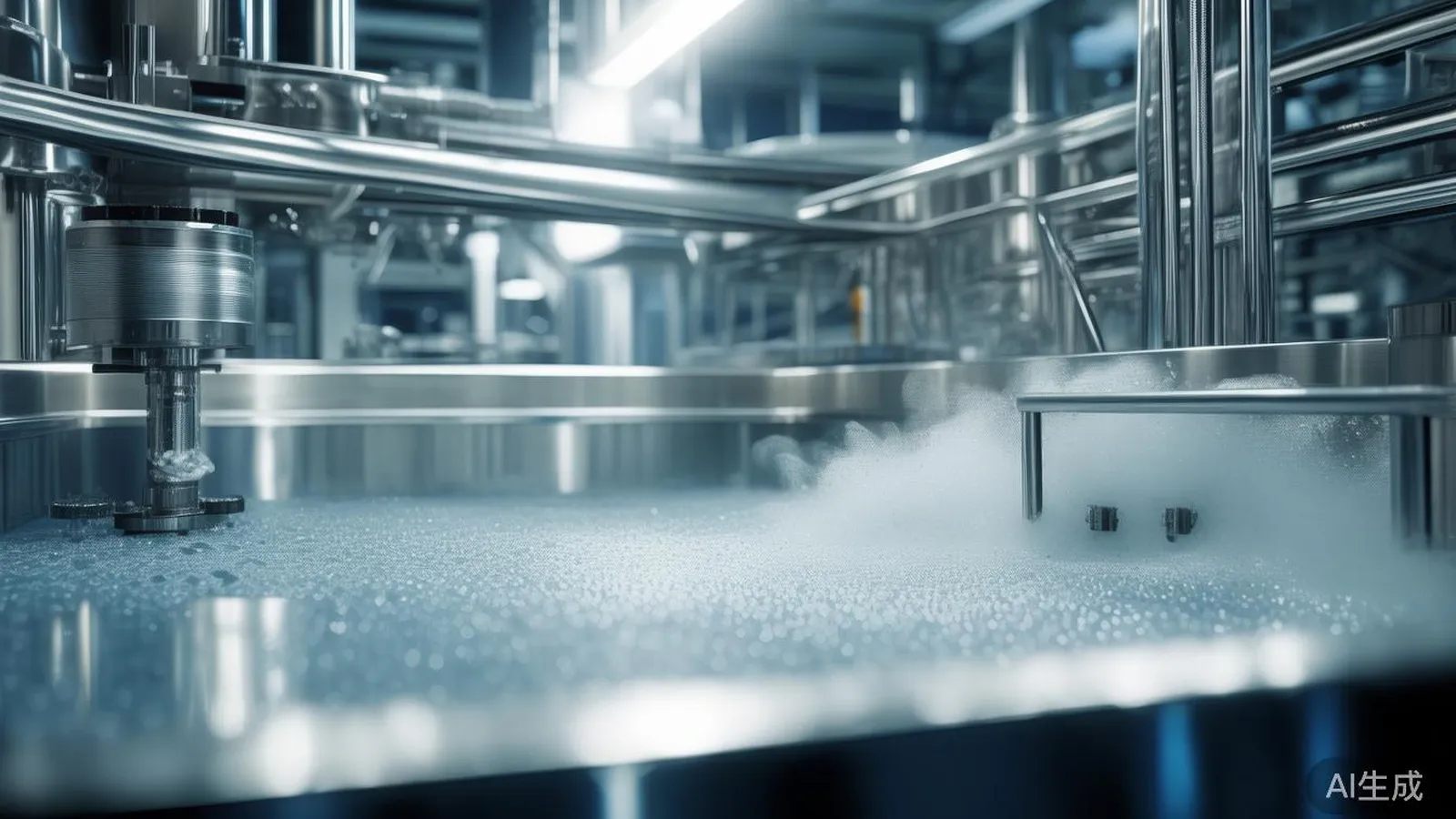
Case Study: Revalidating CIP on a 2000 L Pharmaceutical Formulation Vessel
A European contract pharmaceutical manufacturer replaced an aging static spray ball on a 2000 L formulation vessel with a hygienic rotary jet head plus fixed wall jets. Final-rinse conductivity release fell from 45 to 18 minutes, rinse water per cycle from about 620 L to 380 L, and the revalidated cycle now clears conductivity under 2 uS/cm with wall mounted tank cleaning coverage proven by a riboflavin test.
Oct 4, 2026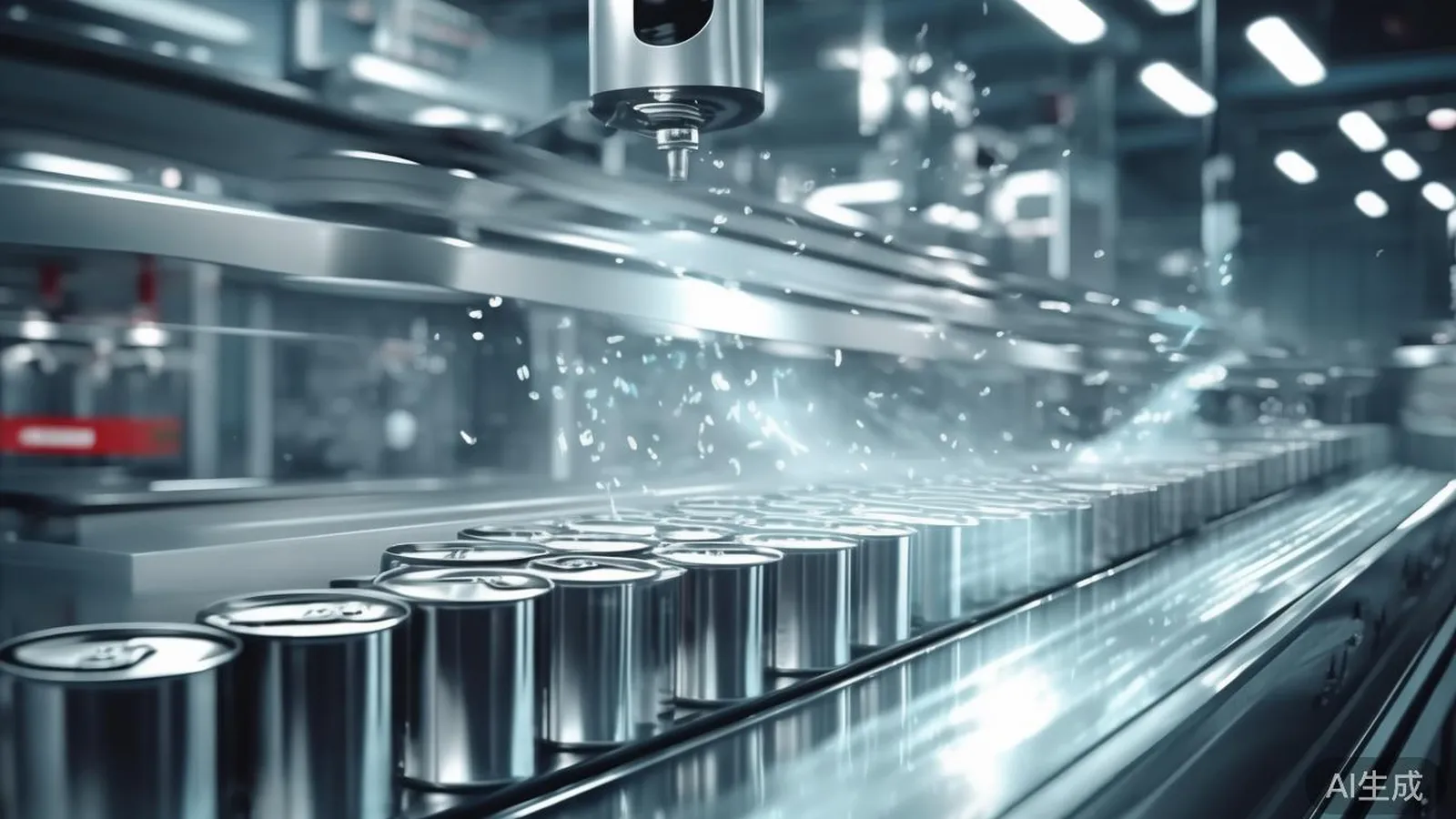
Case Study: Air Knife Drying Retrofit on a Two-Filler Canning Hall
A European beverage and cooking-oil canning hall running two fillers in the 400 to 900 cans per minute class replaced compressed-air drying nozzles with blower-fed top and side air knife drying systems. Residual water fell from roughly 120 g/m2 to under 4 g/m2, knife exit velocity landed near 155 m/s, and the same 25 N of blow-off force cost about 9 kW at the blower against about 25 kW from 6 bar compressed air.
Oct 2, 2026
Case Study: A Fixed Sprayer Tank Cleaner Retrofit at a Custom Application Contractor
A North American custom application contractor with six rigs replaced hose-and-brush tank cleanout with fixed wash jets sized from tank volume, an alkaline cleaning step, and managed rinse water. Cleanout time per rig fell from roughly 28 minutes to 12, water per cleanout from about 475 L to 280 L, and every cycle now ends with a logged verification.
Oct 2, 2026
Case Study: Standardizing 500 Gallon Brush Truck Skid Units Across a County Fire Network
A county fire network in the rural US Midwest standardized 21 brush truck skid units around a 500 gallon tank, a 30 gpm pump at 100 psi, and a matched nozzle set. Setup time, stream reach, shift coverage and water per structure are compared against published wildland ranges, with the sizing arithmetic shown in full.
Oct 1, 2026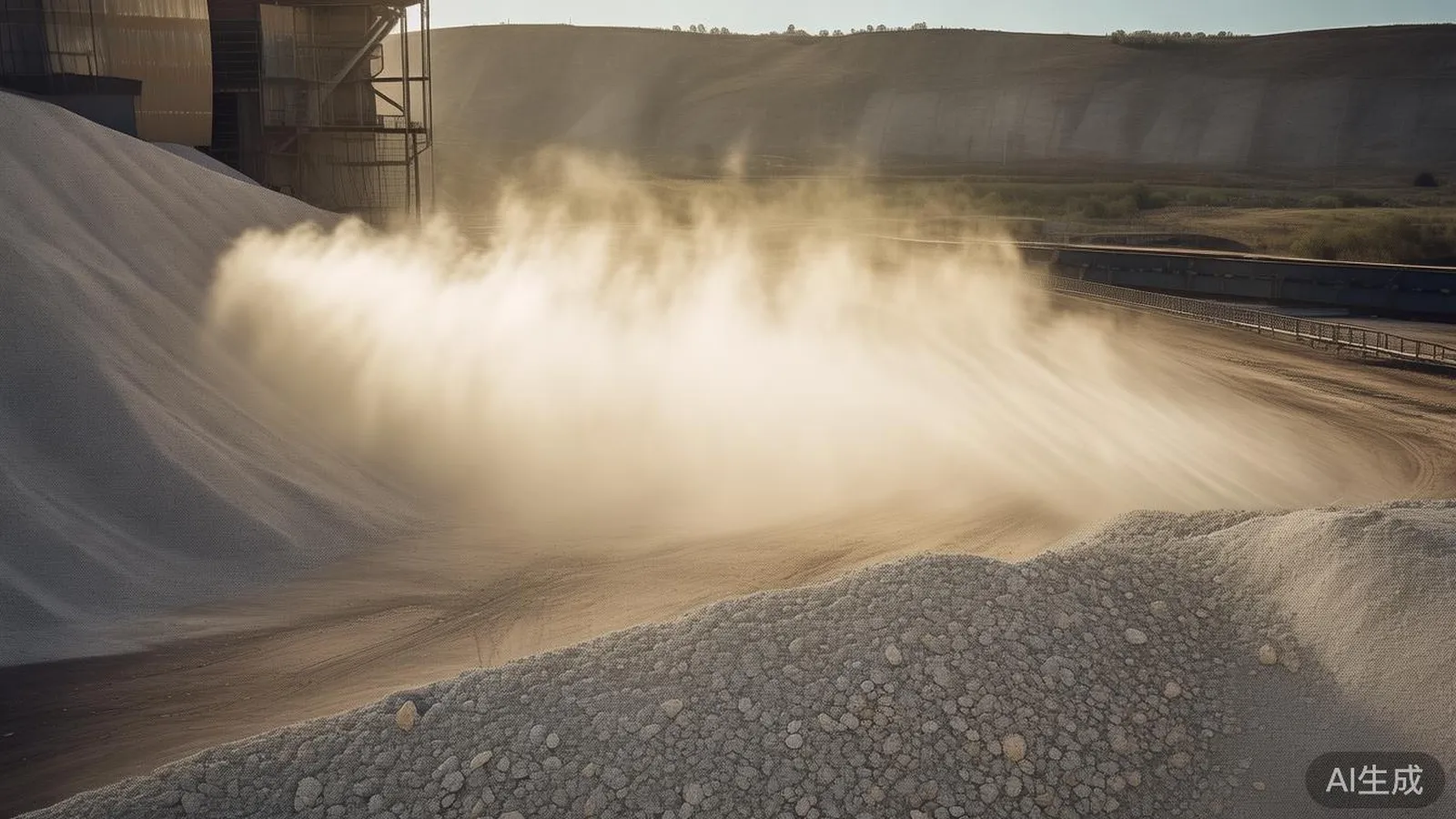
Case Study: A Fixed Dust Suppression Water Cannon Retrofit at an Aggregate Quarry
A mid-sized aggregate quarry in central Europe replaced manual hose watering with a fixed dust suppression water cannon at the crusher discharge and a haul-road section, and upgraded transfer point nozzles. Cannon flow at 8 bar, pump duty, wetting depth, and crew hours all land inside published ranges for this equipment class.
Oct 1, 2026
Case Study: Electrostatic Misting for Poultry Plant Surface Sanitation
A North American poultry further-processing plant replaced hand pressure spraying of a peracetic acid type sanitizer with a fixed electrostatic misting tunnel. Deposition on mixed geometry moved from about 25 to about 70 percent, inside the 2 to 4 times gain band published for charged-drop application. Working solution use fell from about 720 to 257 litres per shift, and swab points above 150 RLU dropped from about one in five to under one in twenty.
Sep 30, 2026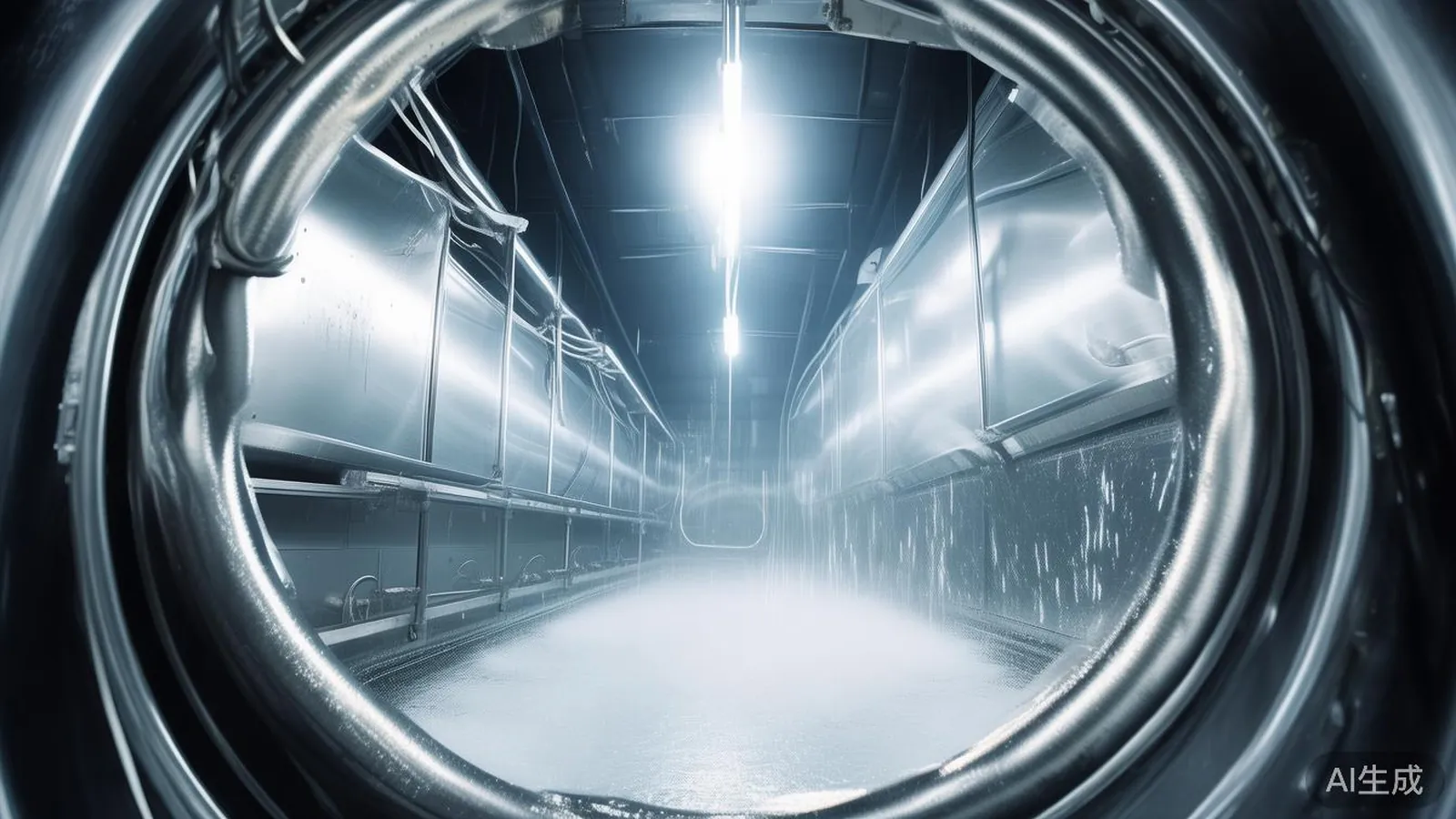
Case Study: Spray Ball CIP Retrofit on a 30 m3 Juice Blending Tank
A European juice and beverage blending plant replaced a single static spray ball on a 30 m3 stainless tank with two rotary spray balls plus zone by zone flow checks. Working figures for this class of tank cleaning retrofit put cycle time at 38 to 24 minutes and cleaning liquid at 4.2 to 2.6 m3 per cycle, with the top head and the liquid line passing ATP swabs at 150 RLU.
Sep 30, 2026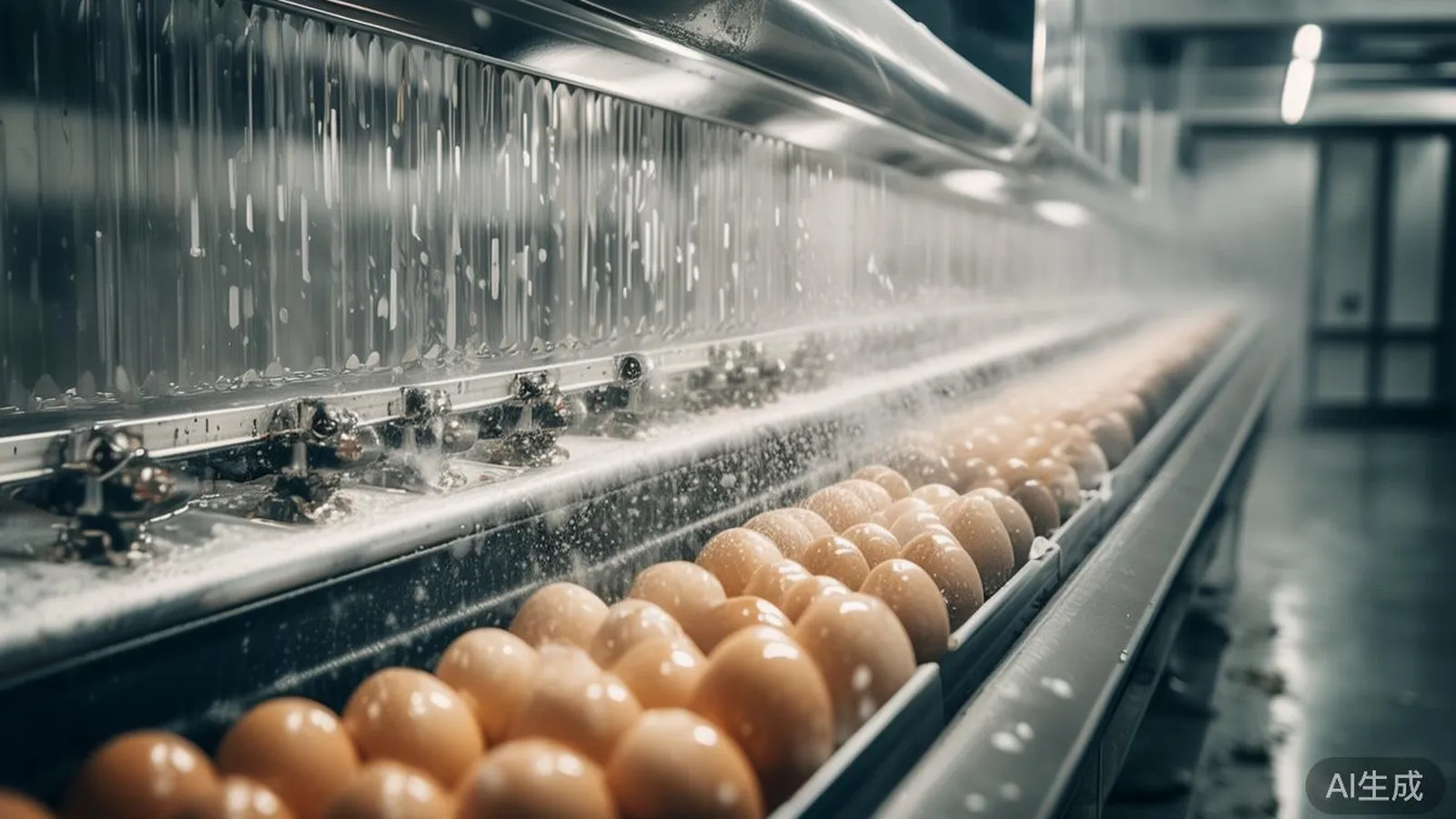
Case Study: Egg Wash Spray Bar Retrofit on a Packing Line
A regional egg grading and packing operation replaced a flood wash header and a once-through rinse manifold with five metered spray bars, an in-line sanitizer dosing loop and a hot water sanitation gun station. Working figures for this class of egg wash sprayer put wash water at 13.2 cubic metres an hour before and 4.98 after, with active peracetic acid down from 480 to 120 grams an hour and belt coverage up from 83 to 100 percent. The bar geometry, nozzle flow and sanitizer ledger all transfer to any conveyorized wash tunnel.
Sep 29, 2026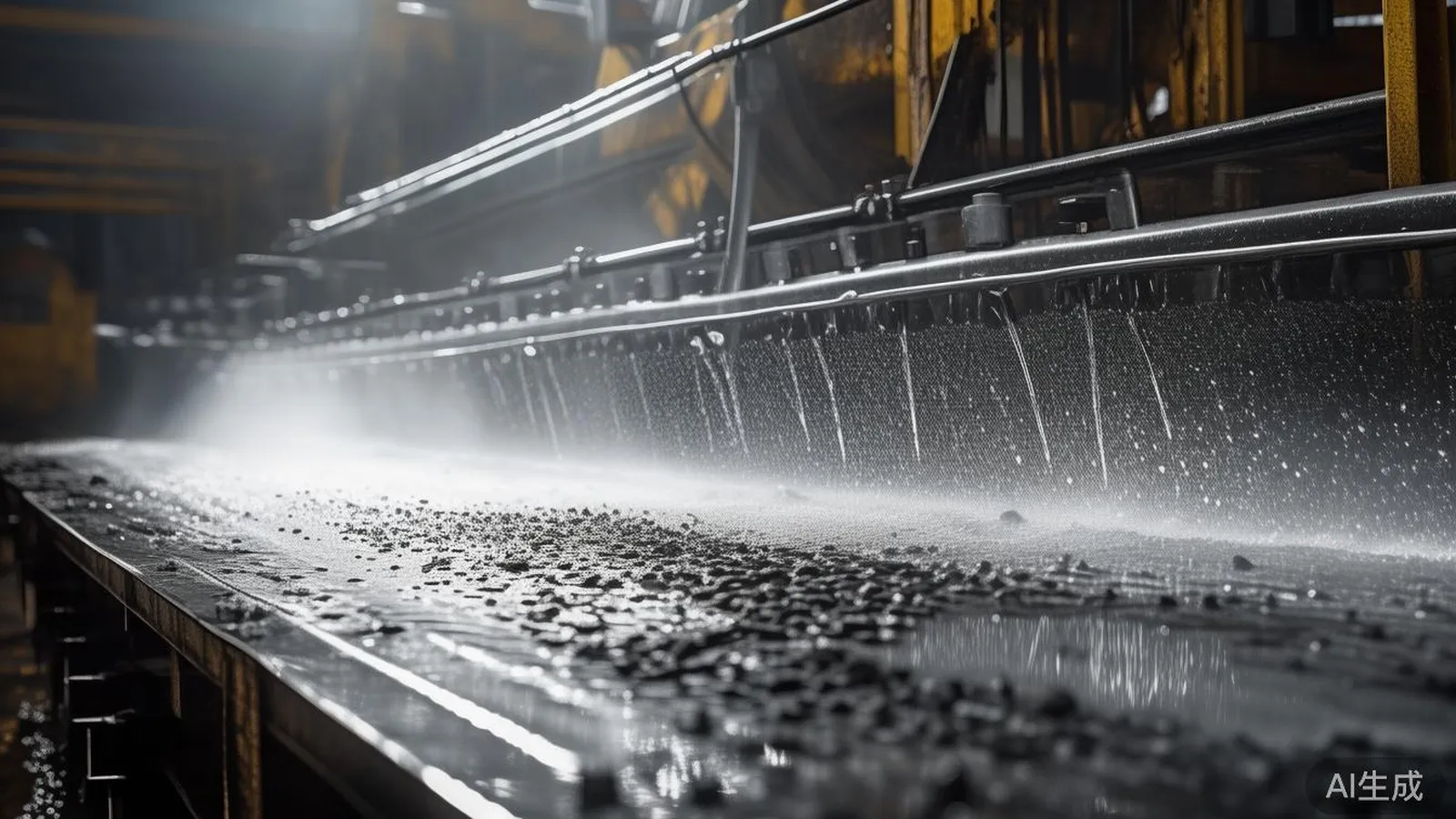
Case Study: Conveyor Belt Spray Wash and Carry-Back Retrofit
A regional aggregate and recycling operator replaced a backed-off scraper and three daily hose-downs with four wash bars and a recirculating sump at one transfer point. Working figures for this class of belt conveyor spray washer put fresh water at 6.75 cubic metres a day before and 0.94 after, with liquid effluent down from 6.75 to 0.33 cubic metres a day. The sizing arithmetic transfers to any conveyor belt cleaning duty.
Sep 28, 2026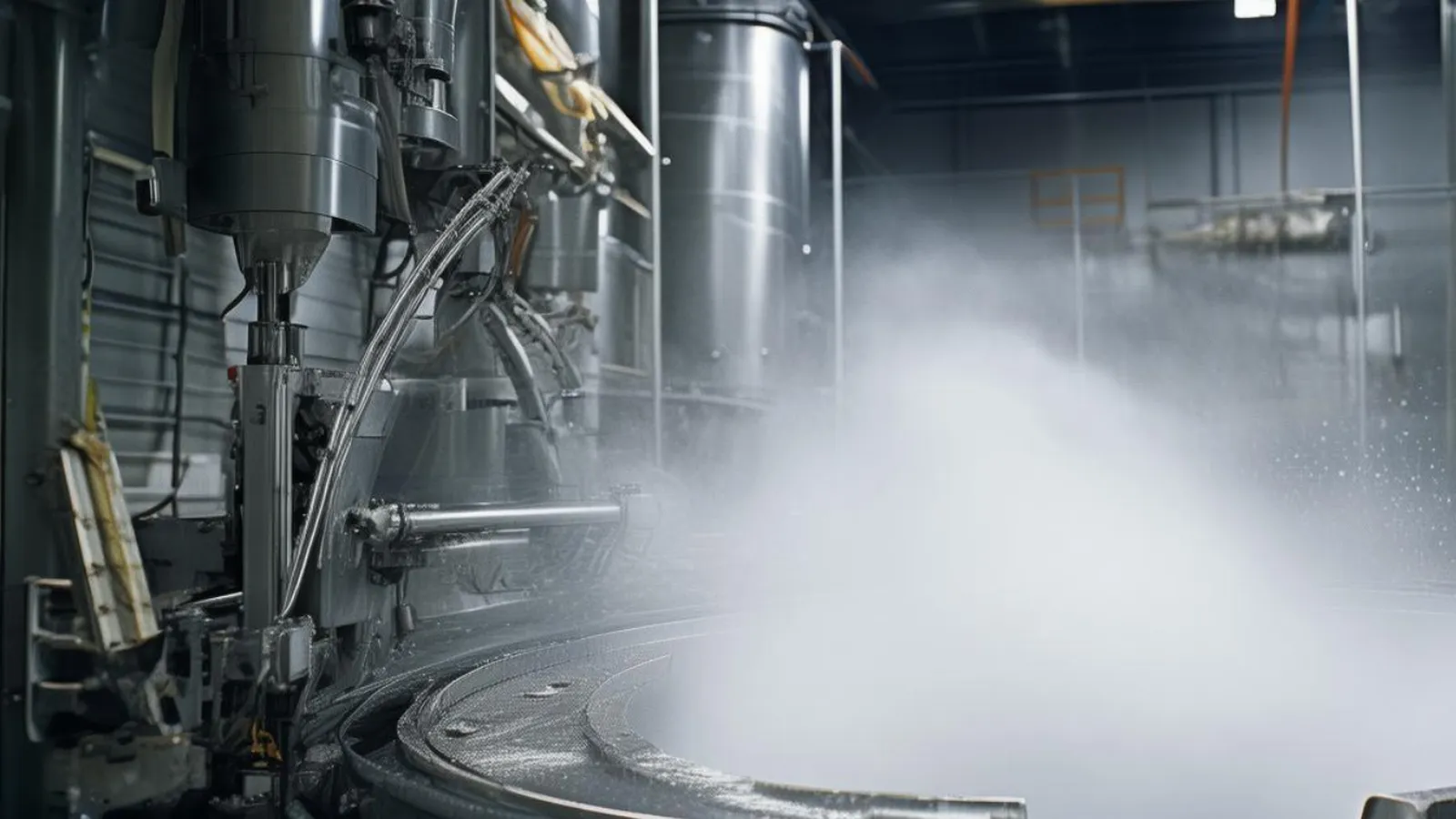
Case Study: A Coatings Plant Replaced Manual Lance Washing With an Automated Tank Cleaning Machine
A mid-size European coatings and resin plant ran 12 mixing vessels from 3,000 to 15,000 L on solvent-borne acrylic and alkyd batches. Changeover relied on a worker with a solvent lance plus a static spray ball rinse, which ran 45 to 70 minutes and left streak residue on the batch after a pigment change. The retrofit put a retractable rotary jet on six vessels and reworked the CIP skid with a two-stage rinse, a solvent recovery loop, and a swab and total organic carbon check. Working figures for this class cut fresh solvent from about 18 L to about 4 L per changeover and hold the machine cycle to 38 minutes.
Sep 27, 2026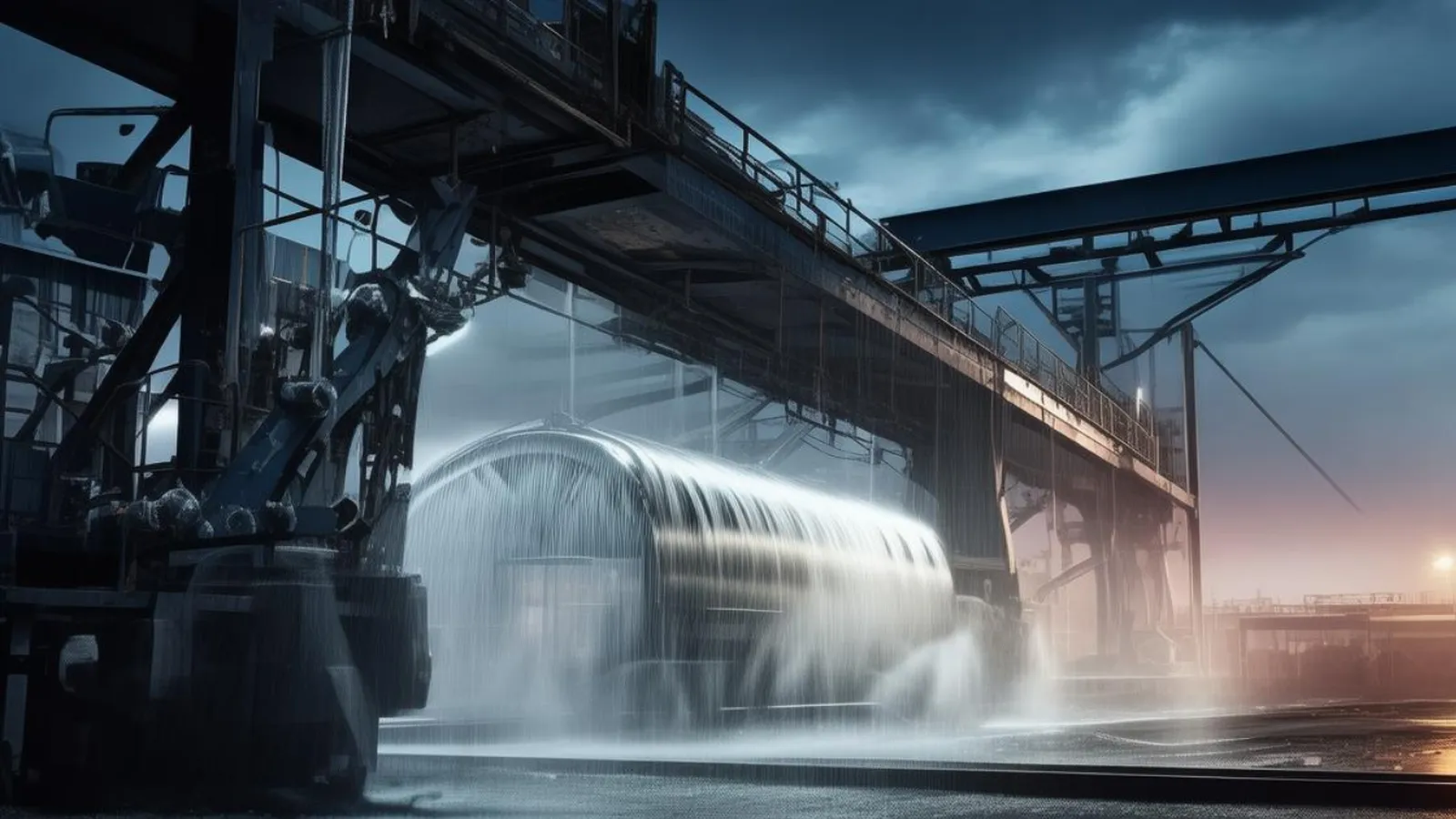
Case Study: Railcar Wash Boom Retrofit From Spray Bars to Rotary Jets
A North American tank car cleaning operator ran its railcar wash bays on static spray bars that could not reach behind hand-brake wheels or ladder brackets. The retrofit put rotating jet heads on the side and end booms at 5 bar, about 45 L/min per head, and kept high pressure wands for the top deck. Working figures for this class of bay cut water from about 1.05 to 0.70 m3 per car, caustic from 6.3 to 3.5 L per car, and the rewash rate from 14 percent to 5 percent. The throw, spacing, and pump arithmetic in the notes transfer to any rail car washing equipment duty.
Sep 26, 2026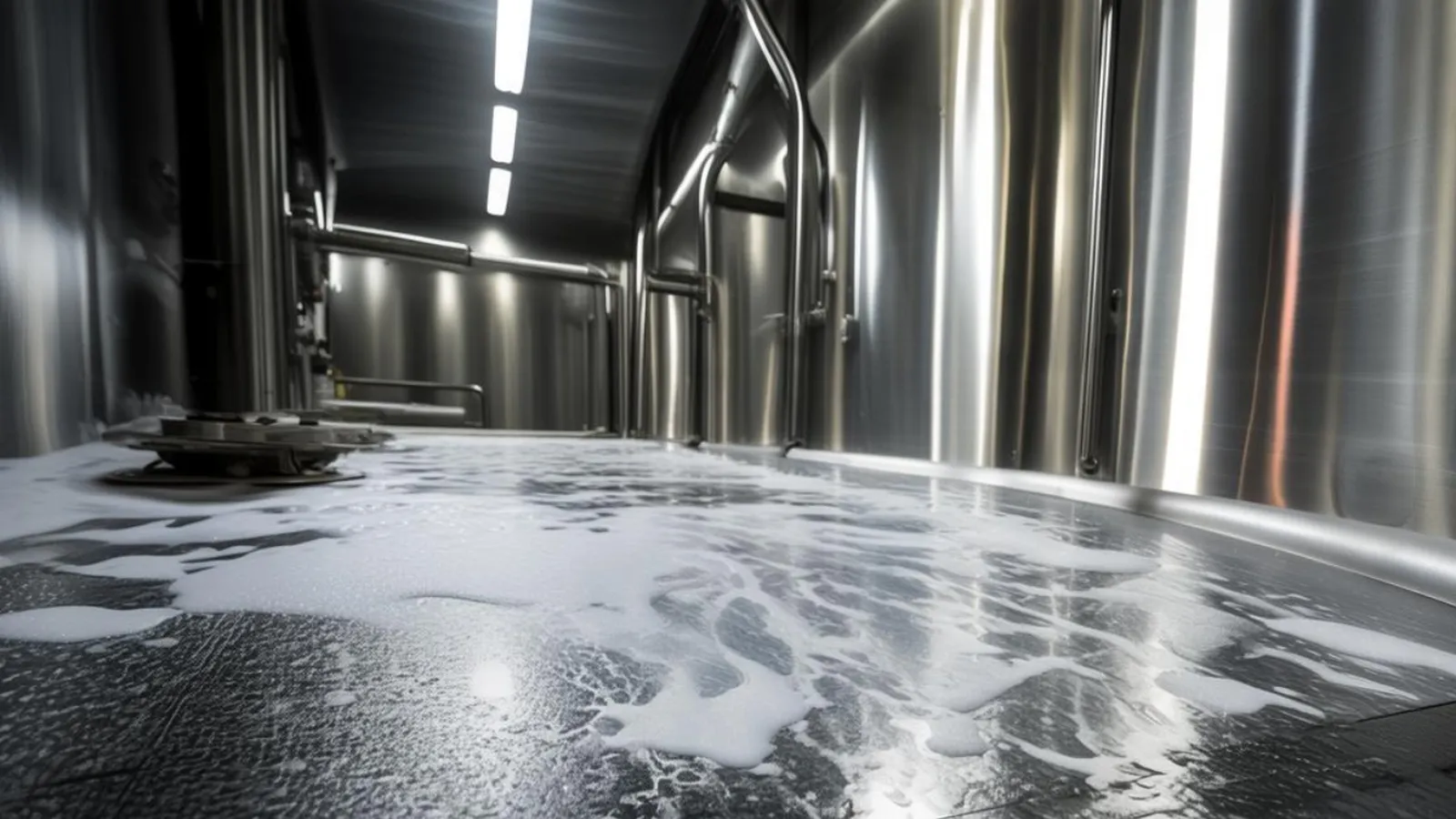
Case Study: Cutting Bright Beer Tank CIP Water and Caustic With Rotary Spray Heads
A regional craft brewery replaced static spray balls with rotary spray jet devices on three 20 kL bright beer tanks. The new heads run about 40 L/min at 3 bar against the published 25 to 60 L/min envelope for the class, and the caustic phase drops from about 3,000 L over 20 minutes to about 400 L over 10 minutes. The wash stays inside the published 1 to 3 percent caustic band at 60 to 80 °C and the 150 to 300 ppm PACS band for the cold sanitiser. The pump sizing and the headspace derating notes transfer to any pressurized vessel.
Sep 25, 2026
Case Study: IBC Tote and Drum Rinse Station at a Reconditioning Depot
An IBC reconditioning depot replaced manual hose-down with fixed spray at two bays: 40 to 80 L of rinse water per 1000 L tote and 8 to 20 L per 200 L drum, sized against a 1.5 to 2 L/m² per minute wetting target.
Sep 24, 2026
Case Study: Spiral Nozzle Retrofit in a Wet Scrubber Absorber
A Nordic pulp mill ran its flue gas wet scrubber on vane-type hollow cone nozzles that plugged on carryover solids, forcing spray level outages and stack particulate excursions. A large free passage spiral nozzle set, header filtration and a reset pressure baseline took the plugging out of the compliance risk.
Sep 19, 2026
Case Study: Cutting Spray Dryer Wall Buildup with Tungsten Carbide Atomizer Inserts
A whey and plant protein spray dryer running 160 to 180 bar pressure atomizers wore orifice inserts open by 5 to 15 percent and scraped the tower weekly. Tungsten carbide multi-hole inserts with a re-matched swirl element lifted insert life from about 120 h to 400 to 600 h, moved the cleanout interval from weekly to every 4 to 6 weeks, and held product moisture in a 3.2 to 4.2 percent band. The wear arithmetic and the monitoring routine transfer to any pressure atomised drying duty.
Sep 17, 2026
Case Study: Electrostatic Coating Line Transfer Efficiency
A European steel furniture plant replaced two air-assisted airless guns with two direct charge rotary bells on one reciprocator. Transfer efficiency rose from 38 to 85 percent, paint cost per square metre fell from 3.24 to 1.45 euro, and first-pass yield rose from 93.2 to 98.4 percent.
Sep 15, 2026
Case Study: Fine Mist Disinfection on a Beverage Bottle Filler
A European beverage bottling plant replaced flood bottle rinsing and soak baths with fixed point fine mist at the bottle, the closure and the filler valve. Peracetic acid solution fell from 6.0 to 1.2 mL per bottle, rinse water from 20 to 3.0 mL, and the log reduction on the bottle wall rose from 2.1 to 4.3. The sizing runs from the 24,000 bottle an hour line speed down to litres per hour per nozzle.
Sep 13, 2026
Case Study: Boom Sprayer Nozzles on a 24 m Row-Crop Sprayer
A European row-crop operation changed the boom sprayer nozzles on a 24 m machine from standard flat fan tips to air induction tips and added per-nozzle PWM section control. Driftable fines fell from about 20 to 4 percent of the spray volume, the working wind limit rose from 3.5 to 5.5 m/s, and field-average product use fell 8 percent across 1,200 ha and three passes. Coverage on water sensitive paper fell from 70 to 24 drops per square centimetre, which still clears the systemic herbicide threshold.
Sep 13, 2026
Case Study: Cutting Die Lubricant Use on a Hot Forging Press
A European closed-die forging plant replaced a manual air-assisted spray gun with external mix air atomizing nozzles on a timed injection. Lubricant fell from 90 to 45 mL per stroke, the cycle shortened from 10.0 to 9.4 s, and rejects for laps and sticking fell from 4.2 to 0.9 percent. The sizing runs from the target film depth to the millilitres per stroke, and it transfers to any hot forging press on an 8 to 12 s cycle.
Sep 12, 2026
Case Study: Continuous Casting Secondary Cooling Nozzle Rebuild
A slab caster was fighting off-corner cracks, restart cold bands and a widening flow spread across its secondary cooling zones. A zone-by-zone nozzle rebuild with mapped spray flux, header-side pressure control and a 12 percent flow-rise rule brought the strand cooling curve back inside target. This account is anonymized and drawn from published industry ranges, not from a named customer.
Sep 11, 2026
Case Study: Descaling and Strip Cooling Headers in a Hot Strip Mill
A hot strip mill was fighting residual scale, uneven cooling across the strip width and a growing spread in coil properties. A header rebuild with matched nozzle families and angles, pressure set at the header, and replacement on a measured 10 percent flow rise brought all three under control. This account is anonymized and built on published industry practice ranges, not on a named customer.
Sep 10, 2026
Case Study: Cattle Fogging Retrofit for Fly Control on a 400-Head Feedlot
A feedlot in the US Great Plains retrofitted low-pressure misting lines along its feed bunk for premise fly control and heat relief. The system was sized from published fogging practice on droplet size, line pressure, and nozzle spacing. The client stays anonymized, and results are cited as published ranges, not site measurements.
Sep 7, 2026
Case Study: Spray Drying Scale-Up, Nozzle Choice From Pilot to Production
A food ingredient producer scaled a spray drying line from a small pilot rig to a production dryer and held the powder particle size target by scaling nozzle count rather than orifice size. The sizing logic transfers to any pressure atomised drying duty. The account is anonymized and built on published practice.
Sep 7, 2026
Case Study: Cutting CIP Cycle Time and Water Use on a Dairy Blending Tank
A European dairy processor replaced static spray balls with a compact rotary jet head on a 3.5 m blending tank. Cycle time and water use came down inside the published rotary-head ranges, and the dead zones behind the agitator baffles passed swabs without manual cleaning. The sizing logic transfers to any CIP tank.
Aug 28, 2026
Case Study: Evaporative Cooling for a Data Center Intake
A colocation facility precooled its air handling intake with high-pressure misting instead of adding compressor capacity. Droplet sizing, nozzle density and water quality carried the retrofit, with published ranges used as the acceptance band.
Aug 28, 2026
Case Study: Dry Fog Dust Suppression at a Bulk Material Transfer Point
A bulk handling operation replaced wet sprinklers with dry fog at a conveyor transfer point, cutting visible dust inside the published 80 to 95 percent range without wetting the product. The sizing logic transfers to any dry, moisture-sensitive material.
Aug 28, 2026